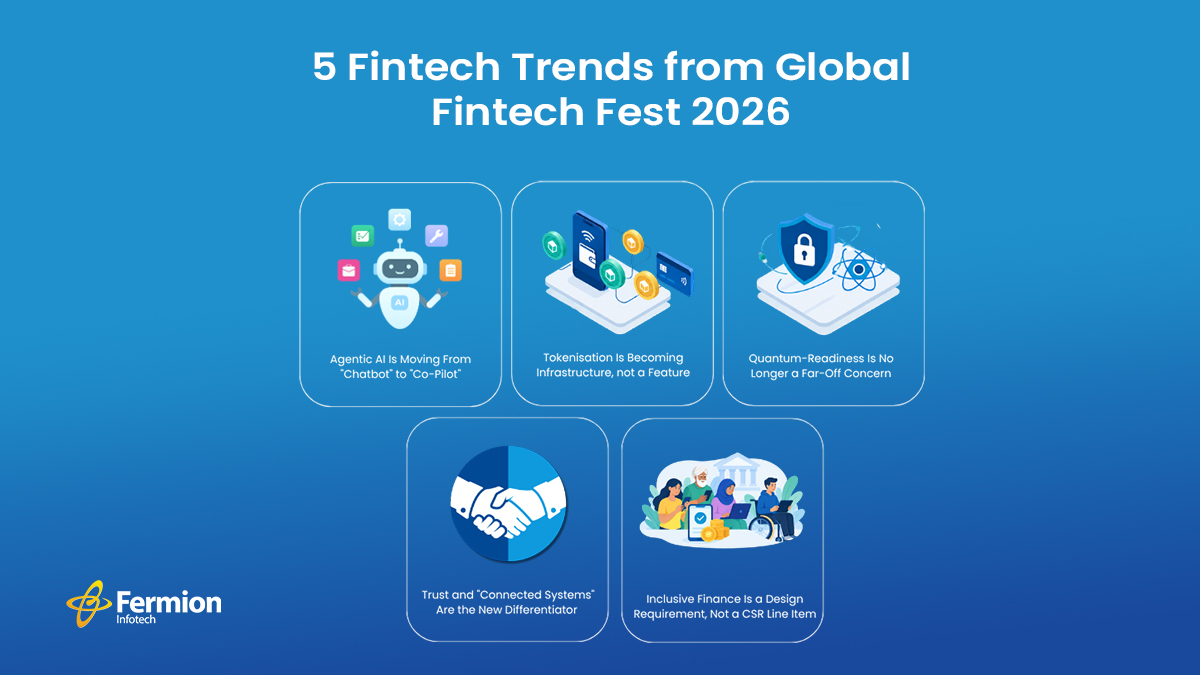
The Global Fintech Fest (GFF) 2026 — the world’s largest fintech gathering — is underway in Mumbai from September 8 to 11, bringing together policymakers, regulators, investors, and technology leaders from more than 80 countries. This year’s theme, “Potential to Impact: Agentic AI, Tokenisation, Quantum — Trusted, Connected, Global Systems for Inclusive Finance,” is a clear signal of where the industry is headed next.
For leaders and product teams building fintech apps, GFF 2026 is not just a conference to watch from the sidelines — it’s a preview of the technology decisions you’ll be making over.
Here are five themes from this year’s Global Fintech Fest, and what they actually mean for the product you’re building.
1. Agentic AI Is Moving From “Chatbot” to “Co-Pilot”
A major focus at GFF 2026 is agentic AI — systems that don’t just answer questions but take actions on a user’s behalf: initiating transfers, flagging fraud, negotiating terms, or managing a portfolio autonomously within set guardrails.
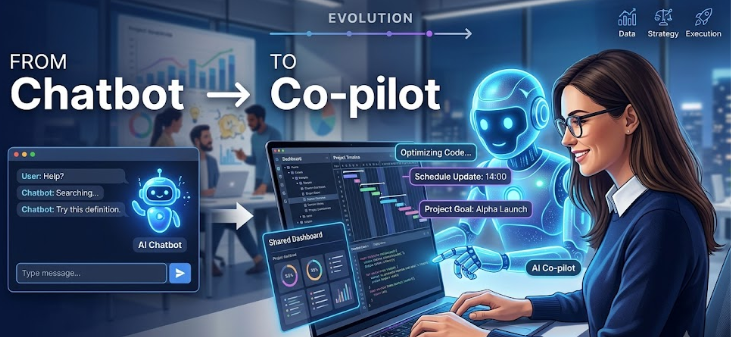
If your roadmap still treats AI as a support widget bolted onto the UI, it’s time to rethink. The next generation of fintech apps will need AI woven into core workflows, with careful attention to permissions, auditability, and fail-safes — not just a chat window in the corner.
2. Tokenisation Is Becoming Infrastructure, not a Feature
Tokenisation — representing real-world assets, payments, credentials, or securities as digital tokens — was front and center in GFF 2026 discussions this year. It’s no longer a niche capability for crypto-native platforms; it’s becoming a baseline expectation for secure, composable financial systems.
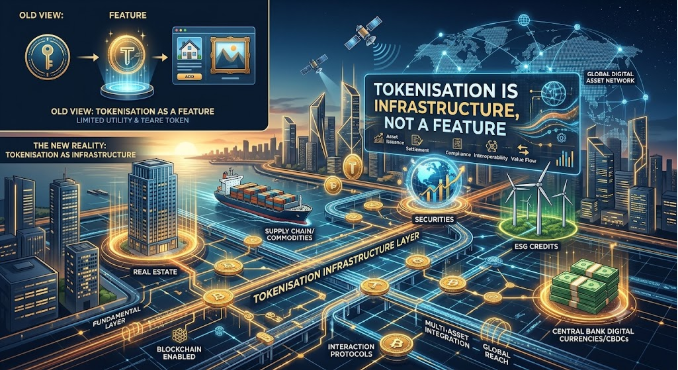
Payment and asset-handling architecture needs to be built with tokenisation-readiness from day one. Retrofitting it later is expensive and risky. This affects everything from how you store sensitive data to how your APIs are designed to integrate with card networks, banks, and settlement layers.
3. Quantum-Readiness Is No Longer a Far-Off Concern
Quantum computing made it onto the main stage this year, with discussions focused on both its potential to transform financial modeling and the very real cybersecurity risk it poses to today’s encryption standards.
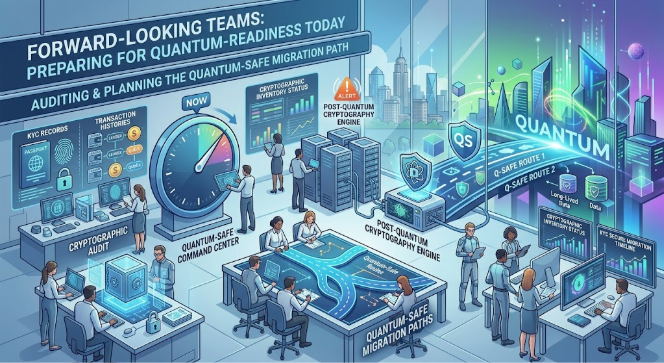
You don’t need a quantum computer to start preparing. Forward-looking teams are already auditing their cryptographic standards and planning for “quantum-safe” migration paths — especially for apps handling long-lived sensitive data like KYC records or transaction histories.
4. Trust and “Connected Systems” Are the New Differentiator
A recurring thread across GFF sessions was the idea of trusted, connected, global systems — the notion that fintech’s next phase of growth depends less on flashy features and more on interoperability, transparency, and regulatory alignment across borders.
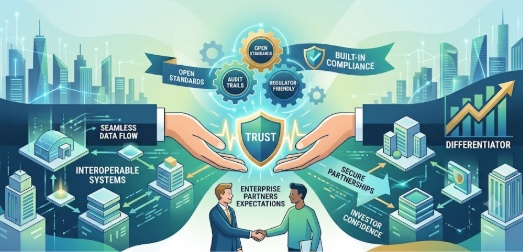
Compliance and interoperability can’t be an afterthought bolted on before launch. Building with open standards, clear audit trails, and regulator-friendly architecture from the start will save significant rework — and it’s increasingly what investors and enterprise partners expect to see.
5. Inclusive Finance Is a Design Requirement, Not a CSR Line Item
GFF 2026’s framing — “Potential to Impact” — emphasizes that emerging tech should produce measurable outcomes for everyday citizens and small businesses, not just enterprise clients. Financial inclusion was discussed as a design principle, not an afterthought.
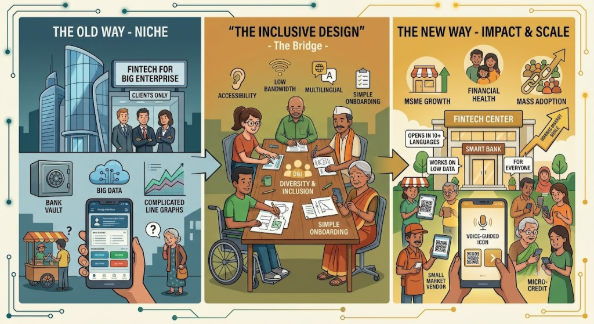
Accessibility, low-bandwidth performance, multilingual support, and simple onboarding flows aren’t nice-to-haves — they’re what separates fintech apps that scale across diverse markets from those that stay niche.
Where This Leaves Product Teams
Every trend coming out of GFF 2026 points to the same conclusion: the technical foundation of a fintech product matters more than ever. AI-driven features, tokenisation-ready payment rails, quantum-safe security, and inclusive design all need to be architectural decisions made early — not patches applied after launch.
That’s exactly where we come in.
At Fermion, we help fintech leaders and financial institutions design and build secure, scalable web and mobile platforms — from AI-powered features to payment infrastructure built for what’s next. If you’re planning a fintech product and want a technology partner who’s thinking about these shifts alongside you, let’s talk →[email protected]
Sources: Global Fintech Fest 2026 official event materials and press coverage, September 2026.
Solid article! Thinking about bankroll management & adapting to different game types is key. Good stuff!
Thee steps are quite detailed!